
New PhD candidate: modelling impacts of energy systems on biodiversity in Norway

Hei! My name is Dafna Gilad and I just recently joined the Industrial Ecology Programme in the Department of Energy and Process Engineering at NTNU.
With background in ecology and conservation biology, the promotion of wildlife conservation has always been important to me: I participated in nature conservation and research projects, aiming to preserve and study bird species like the kākāpō, kiwi, kārearea and the red kite. Therefore, I acknowledge the urgency to develop effective impact evaluation frameworks to address and mitigate human activities on wildlife.
That is where life cycle assessment (LCA) kicks in. LCA is a holistic instrument that analyses the environmental impacts of a product or a system over its life cycle: from the extraction of raw materials, through production and usage, till its disposal. In the CONSENSE project, we will implement LCA to quantify the environmental impacts of energy systems – including renewable energy – to understand and minimise their effect on biodiversity.
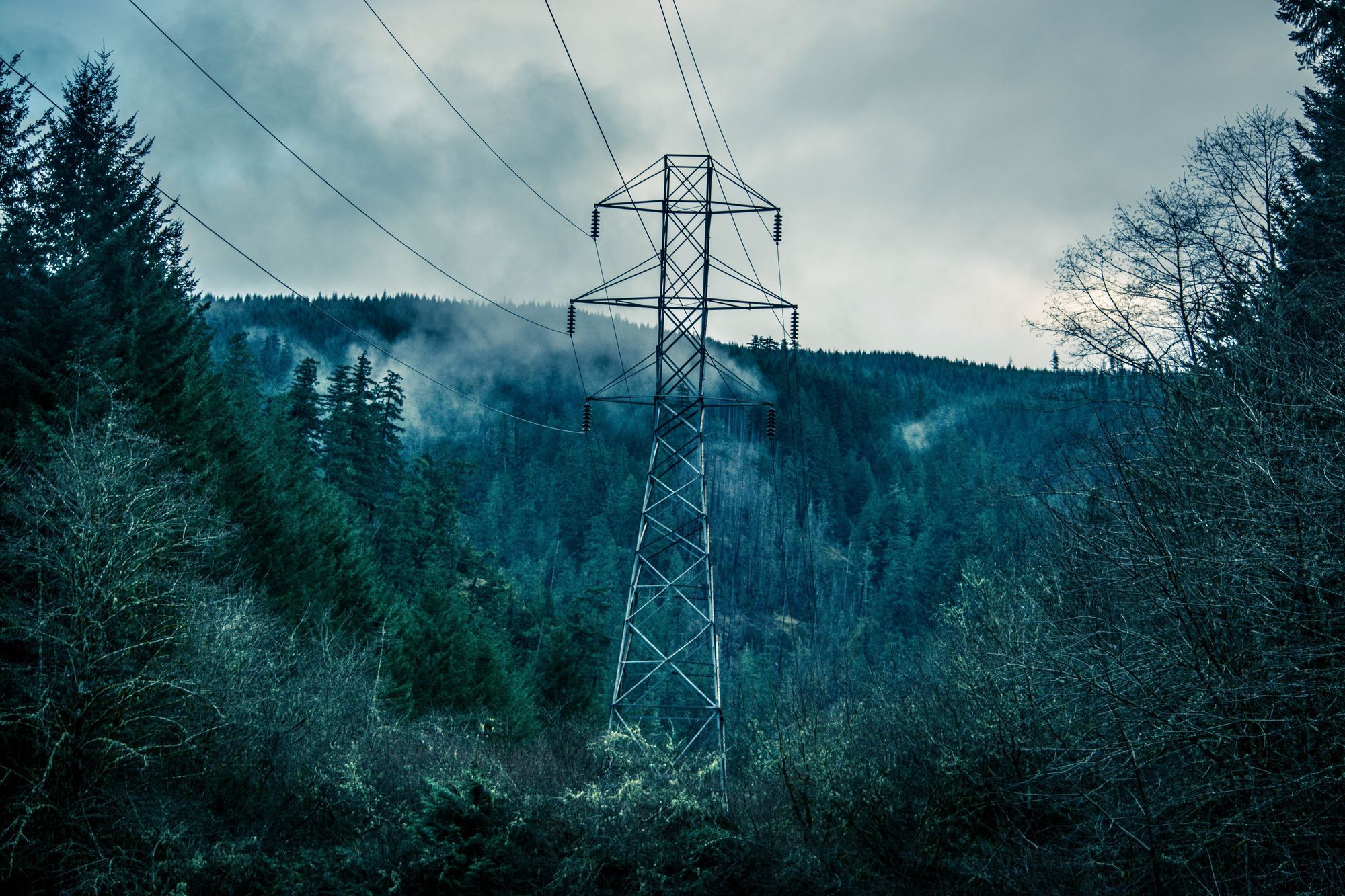
I am supervised by Francesca Verones (NTNU) and co-supervised by Roel May (NINA). My tasks within the project are to identify the impact pathways of power lines, assess the overall impact of the current electricity supply-demand and evaluate potential impacts of future electricity production in Norway.
Supporters often connect a favourite team with the design worn during a memorable campaign as fans compare old designs with the look of newer campaigns. Home and away kit collections can change how a shirt feels for daily wear, display, or collection. Among the options linked to club identity, football shirts for retro kit collectors is a phrase that sits comfortably in content about football identity. The focus on fit and fabric helps explain why different versions can matter to different fans.